The answer to that question is a matter of priorities. Do you have a hankering for particular marine life or would you prefer water that is calm with good visibility and no weather to contend with? In my experience I would direct most people to the dry season between June and October; it is where first-time travellers will find their ideal conditions. Rainfall is down, the humidity is not so oppressive and one is not as apt to be put about by the wet on a reef excursion. So that is the short of it.
But there is no month that is right for all. Whether your interest is in scuba, a bit of whale watching, turtles, keeping to a budget or just not wanting a boat ride that is rough as guts, the optimal time to visit the Great Barrier Reef will vary. Imogen Weatherby and I would be of like mind on this: some forethought is repaid by the reef and you will find it much simpler to plan a maiden voyage in Queensland if you align the season with the sort of experience you are after. For more details, refer to Queensland reef first visit planning.
First, choose your season
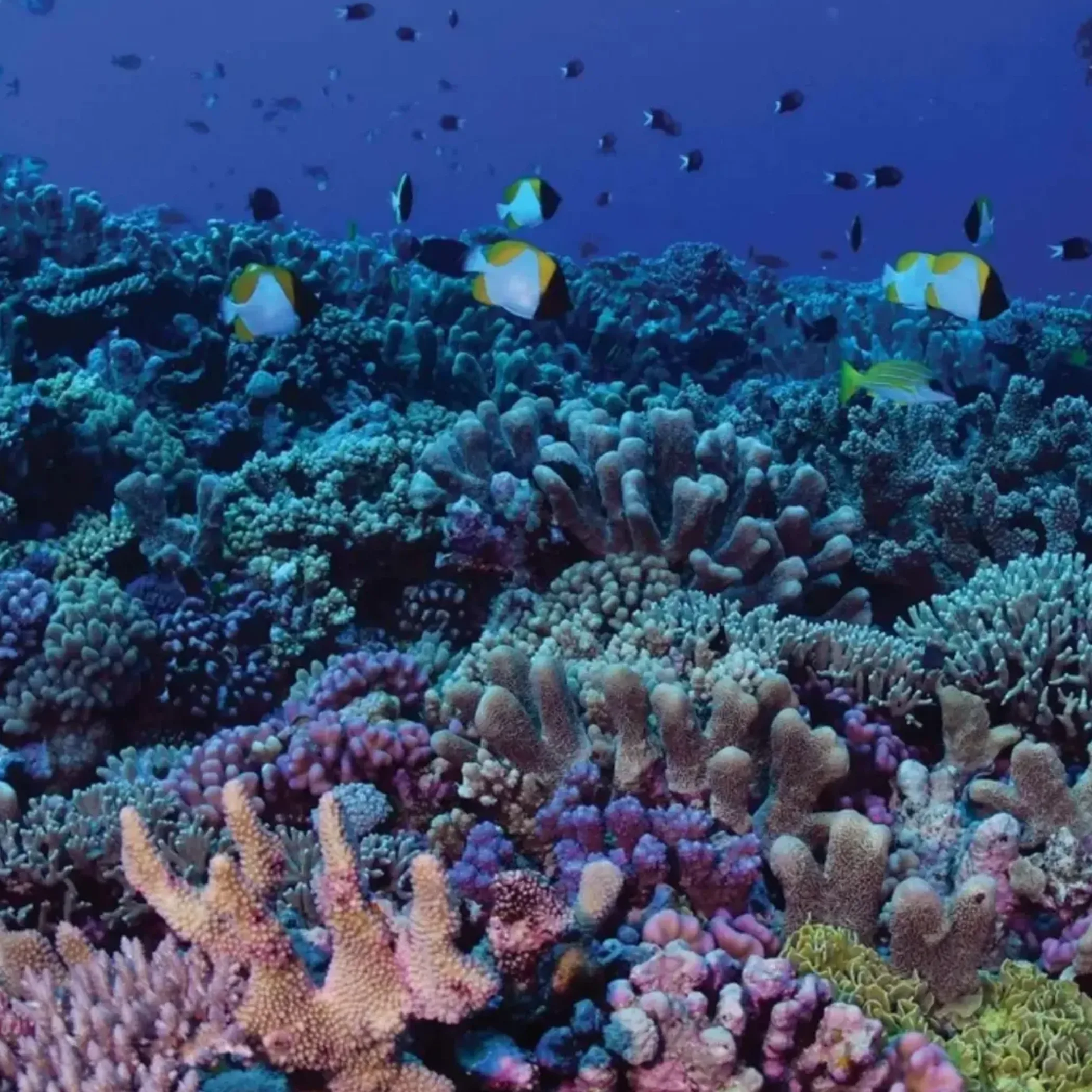
Too many treat the Great Barrier Reef as any other beach holiday, a one-size-fits-all proposition. It is not. The conditions are different from one part of the year to the next and they are also a function of where you set off from, be it the Whitsundays, Port Douglas or Cairns.
June to October is the easiest window all round. One can make do with summer if the price is right and one has no issue with the humidity, but you should be aware of the rain and stinger season and the fact the sea may not be obliging.
Our top recommendation
For the majority of visitors, particularly on a first trip, we would put forward July to September as the surest bet. You are in the heart of the dry season which affords decent visibility and less rainfall and you won’t feel as though you have been steamed in a dumpling basket on your day out. It is a fine time to be in Cairns or Port Douglas too if you are putting in an appearance at the Daintree or elsewhere in Far North Queensland. The nights are cooler by tropical measure, but then you would rather that than be soaked to the shirt come breakfast.
Dry vs wet
A degree in meteorology is not called for to put together a reef itinerary, yet an understanding of the divide between the two seasons is. That is what Great Barrier Reef weather is built on and it will have its say on the boats, the tours and your comfort.
In the main the dry season is May to October, the wet runs from November through to April. Tropical weather will still have its moments but for all intents and purposes that is the framework for planning.
How the months break down
| Month | General Conditions | Best For | Watch Outs |
| January | Warm water, hot and humid | Budget minded, a warm swim | Stingers, cyclones, rain, poor visibility |
| February | Humidity at its peak, risk of heavy rain | Quiet times, assuming the weather is with you | Many a first-timer would steer clear |
| March | Wet and stormy at times | To avoid the crowds | Sea may not be up to much |
| April | Weather on the improve | Some value in the shoulder season | Week to week variations |
| May | More stable seas, drier | All-round trips to the reef | Things get popular |
| June | Milder humidity, dry | Diving, snorkelling, a first visit | Boat mornings can be cool |
| July | Steady and reliable | Diving the reef | Prices and demand are at a peak |
| August | Clear days, whales are here | Humpbacks and snorkelling | Get in early with bookings |
| September | Very balanced | Top month for a snorkel | School holidays |
| October | Shoulder of the season, mostly stable | A strong option | Humidity builds |
| November | Hot and wetter, coral spawning | Of interest to marine life watchers | Variable visibility, storms and stingers |
| December | The wet makes itself felt | Holiday travel and warm water | Cyclone risk, rain and the crowds |
Put it in practical terms: for conditions of an easier order stay with the June to October period. The wet season months are less forgiving, though they will do if you are after something more specific such as warm-water diving in summer.
It is useful to do some proper planning and match the activity to the month.
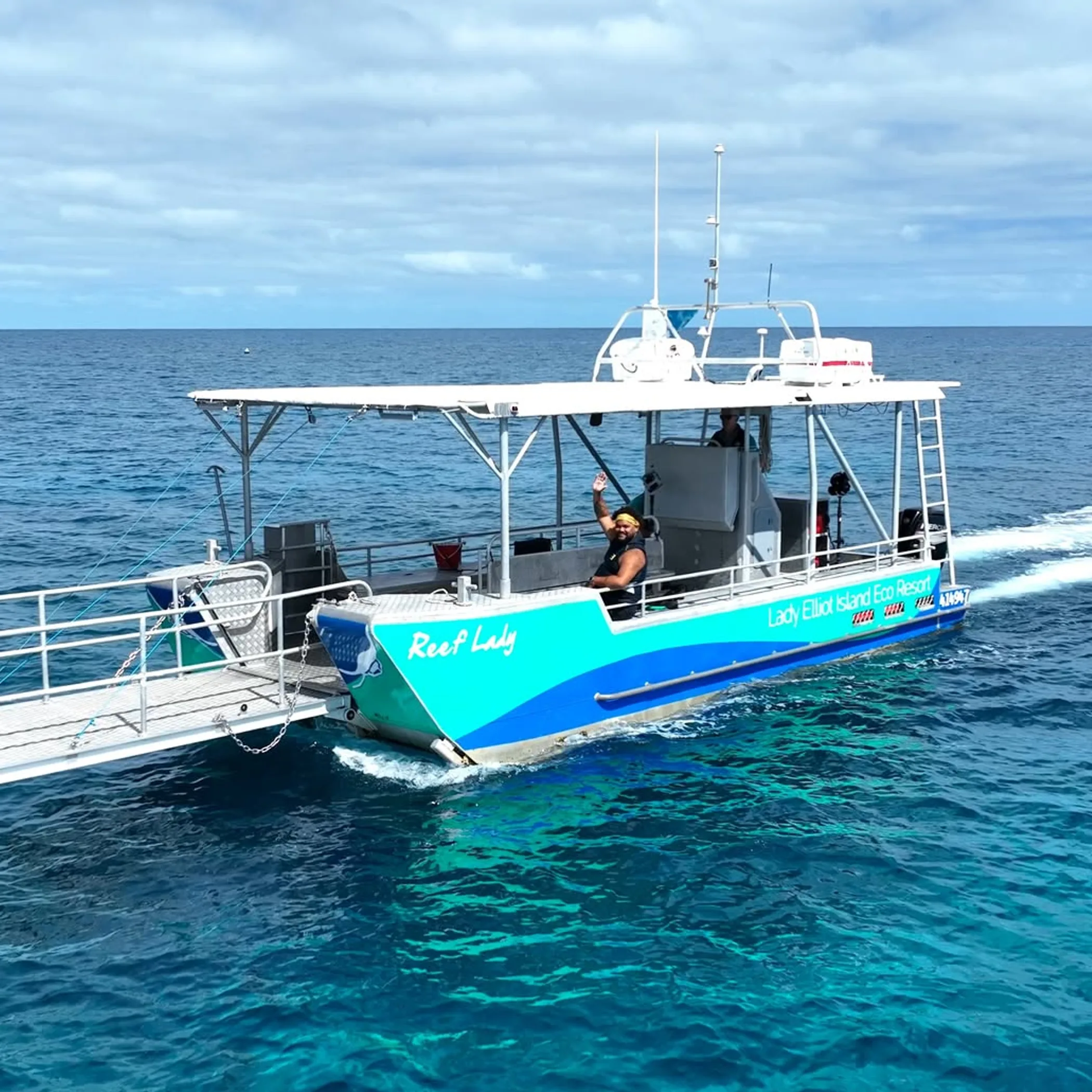
“When is the best time to visit the Great Barrier Reef” is a question that is too wide of the mark. You will want to have your mind made up on what to do before you are out in the water with your fins and sunscreen on, making sure the phone does not go overboard.
There is a right month for visibility, another for whales, and some that are more suited to a novice snorkeller after a placid day and an untroubled view of things without turning green around the gills.
Snorkelling And Diving
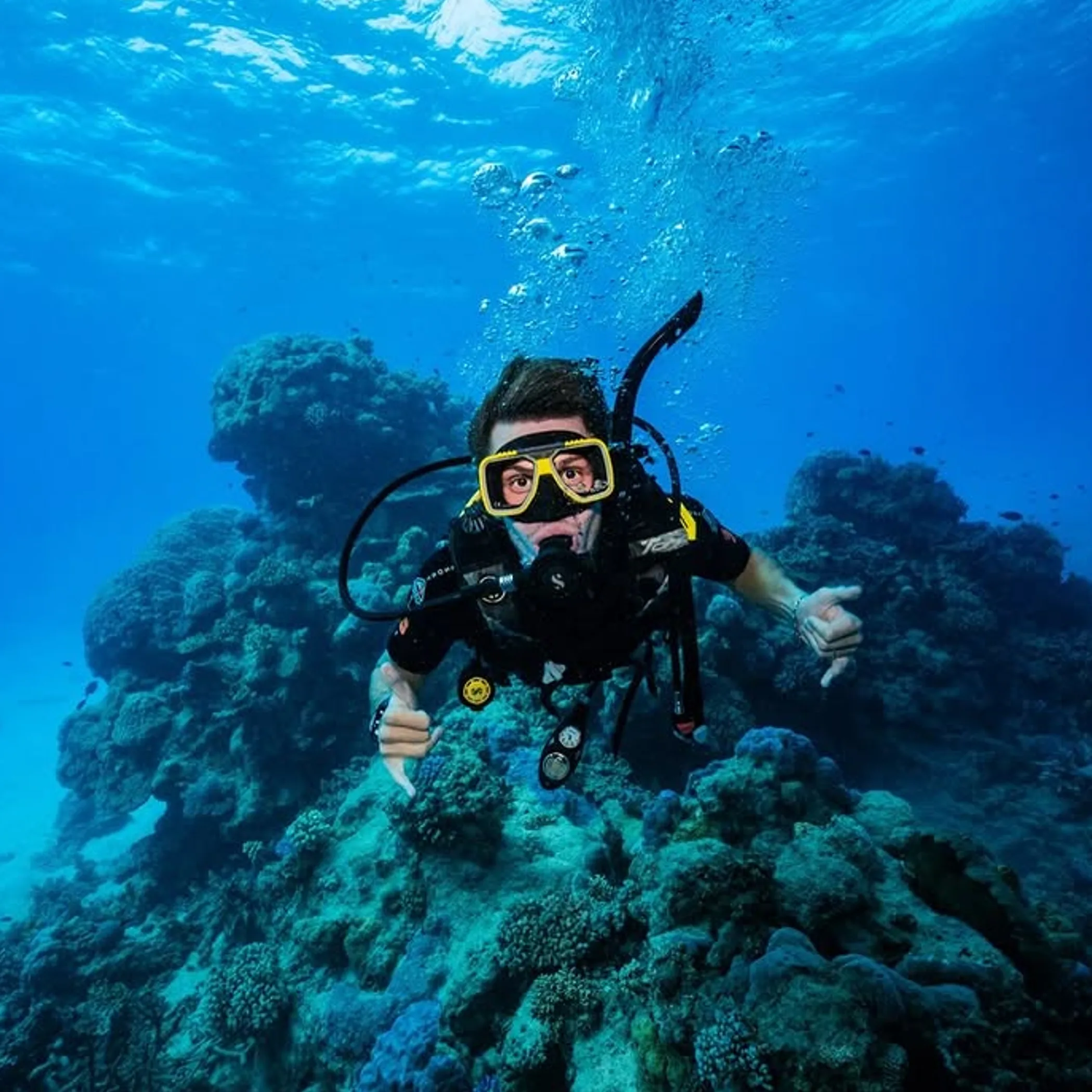
For a Great Barrier Reef excursion one is inclined to put the best time for snorkeling at June through October. The dry season tends to deliver stronger visibility and sea conditions a beginner can be at ease with. Should this be the only time in your life you snorkel, these months are when the odds are with you.
Divers will also find their way to the reef in those same months as a rule, the traveller being one who wants to rely on offshore access and water that is clear. You cannot put it past the weather or the fact that reefs are living systems so there is no guarantee of visibility, but come this time of year you have a better shot at the sort of blue-water days you have in mind.
Whales, Turtles And Rays
It is the cooler months when whale watching on the Great Barrier Reef is at its height, July to September for humpbacks in parts of Queensland. The Whitsundays attract much attention for good reason if that is what you are after.
With turtles it is a matter of whether nesting or hatchlings are on the agenda or simply a sighting in the water. Bundaberg and Mon Repos have their seasonal appeal for the former, but a reef-goer would do well to recall that while you can see them while snorkelling in many a place all year round, they are not there on command. As for manta rays, they are less predictable and more of a localised affair; select your operator with care.
Choose The Right Departure Base
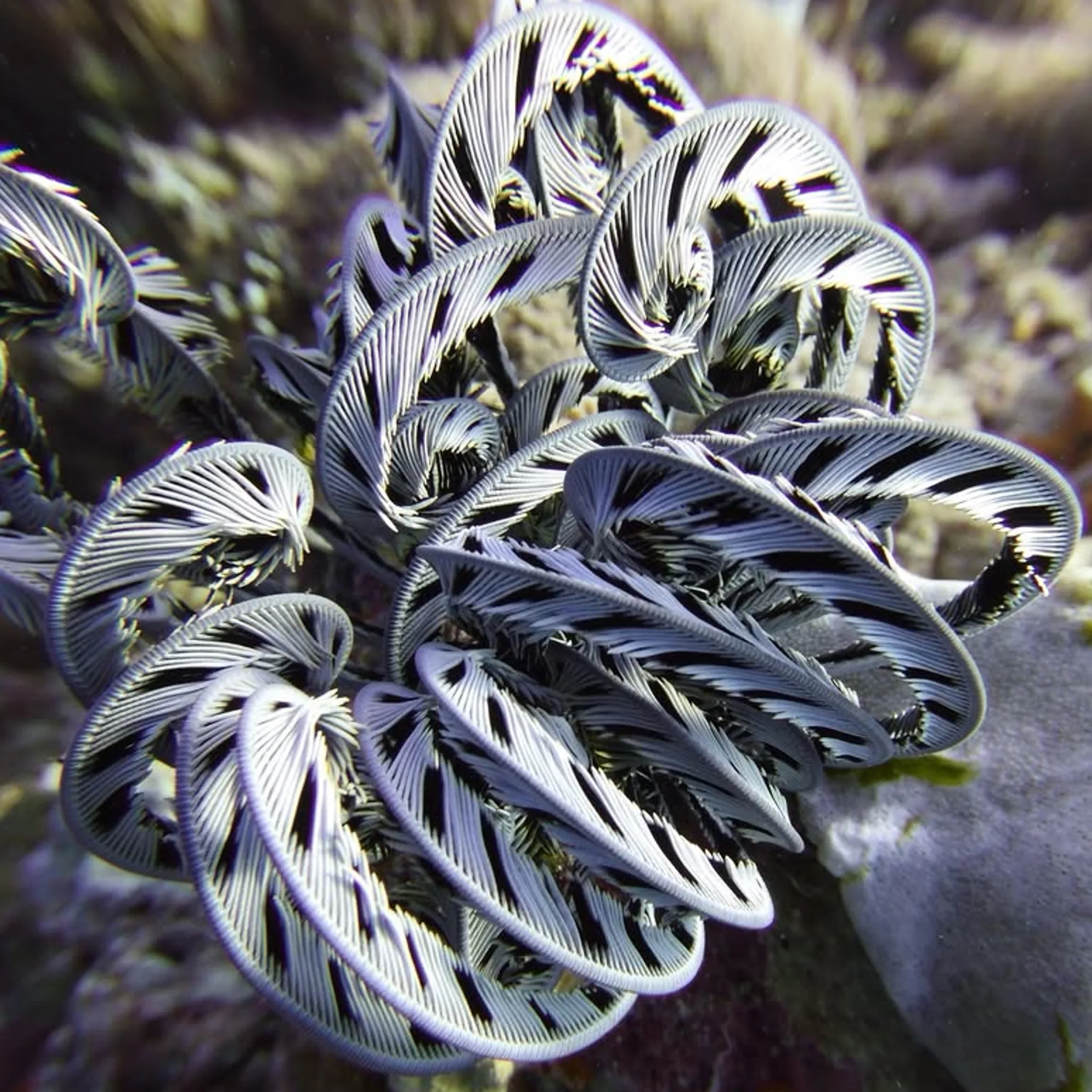
One should not think all reef trips are the same, yet people make that mistake. The Great Barrier Reef is a vast thing running the length of the Queensland coast and the town from which you set off will determine your travel time, the kind of reef and marine life you encounter, and if the day is to be a manageable one or an exercise in endurance.
I would err on the side of practicality for a first-timer. Let your budget and tolerance for long boat rides dictate the base you pick, not a pretty picture on a booking site.
Cairns And Port Douglas
As a gateway to the reef Cairns is hard to beat for the first-time visitor. There are plenty of tours to choose from, regular departures and the airport has good links. City dwellers will find operators coming to the CBD for pick-up; self-drivers may have to contend with parking fees and central spaces taken in the peak.
Port Douglas is a more refined holiday base and has a certain prettiness about it. From here one can get to some fine outer reef sites and it is convenient for a side trip to the Daintree. But in the dry season particularly, do not expect accommodation to be as easy on the pocket as in Cairns.
Whitsundays And Far North
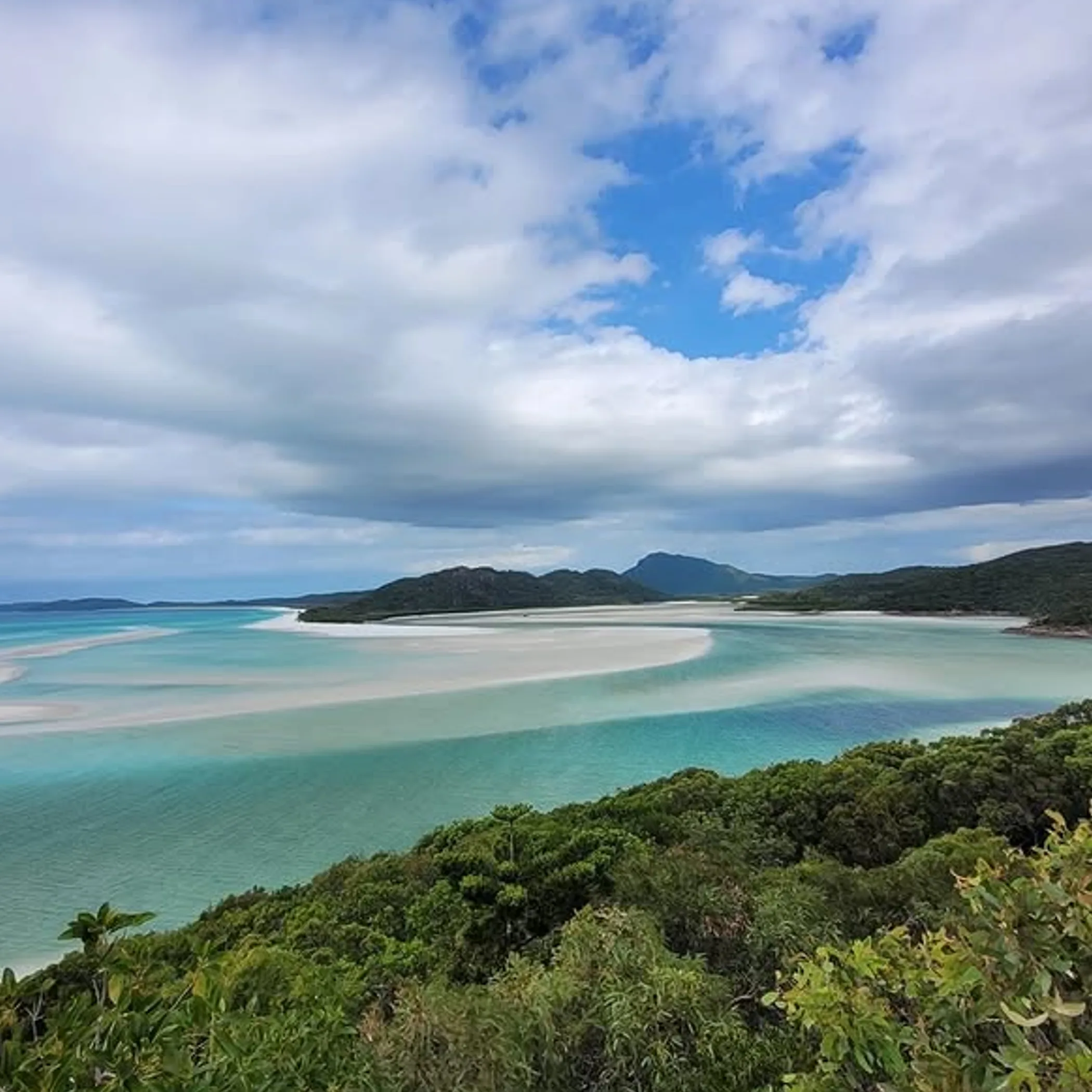
Those wishing to combine the reef with some sailing and islands at a more leisurely rate will find the Whitsundays to their liking. Humpback whales are in evidence in season and multi-day boating is excellent, although an overnight sail could try the patience of anyone susceptible to seasickness.
Then there is the Far North of Queensland, including the approaches to Cape York. More of a niche and logistically demanding, it is for the confident planner or the repeat visitor in search of something remote, not for someone with a first visit to cram into a long weekend.
Know Weather And Visibility
A forecast will give you a number but it is the month by month weather on the Great Barrier Reef that dictates how the day feels. A warm tropical climate is all very well until you are standing in the sun at a marina with your backpack adhering to you.
Once aboard the boat it comes down to the two practicalities of water visibility and the sea. A cloudy day in the dry season is worth a country kilometre more than one in a summer storm, sunshine notwithstanding.
What Catches People Out
The error most make is to equate summer with the finest of beach weather. On the reef it can be hot and humid with rain coming on and the water, while warm, is not always clear. The crossing can be choppier too, and after a large breakfast that is no pleasure at all.
There is a reef trip from Cairns some years back that put me right in my place. The forecast on the ground was fine, but put some distance between us and the coast and the swell would have you; half the boat would fall to a kind of hush you know is ominous. I have been unrelenting ever since when it comes to vetting the wind, the season, the length of an outing and deciding if a pontoon or something quicker for the outer reef is called for.
When it comes to marine warnings and forecasts one can put faith in the Bureau of Meteorology. BOM is still the official source of record for what is current, be it coastal waters for Queensland or tropical cyclone advice.
Plan Around Wildlife Peaks
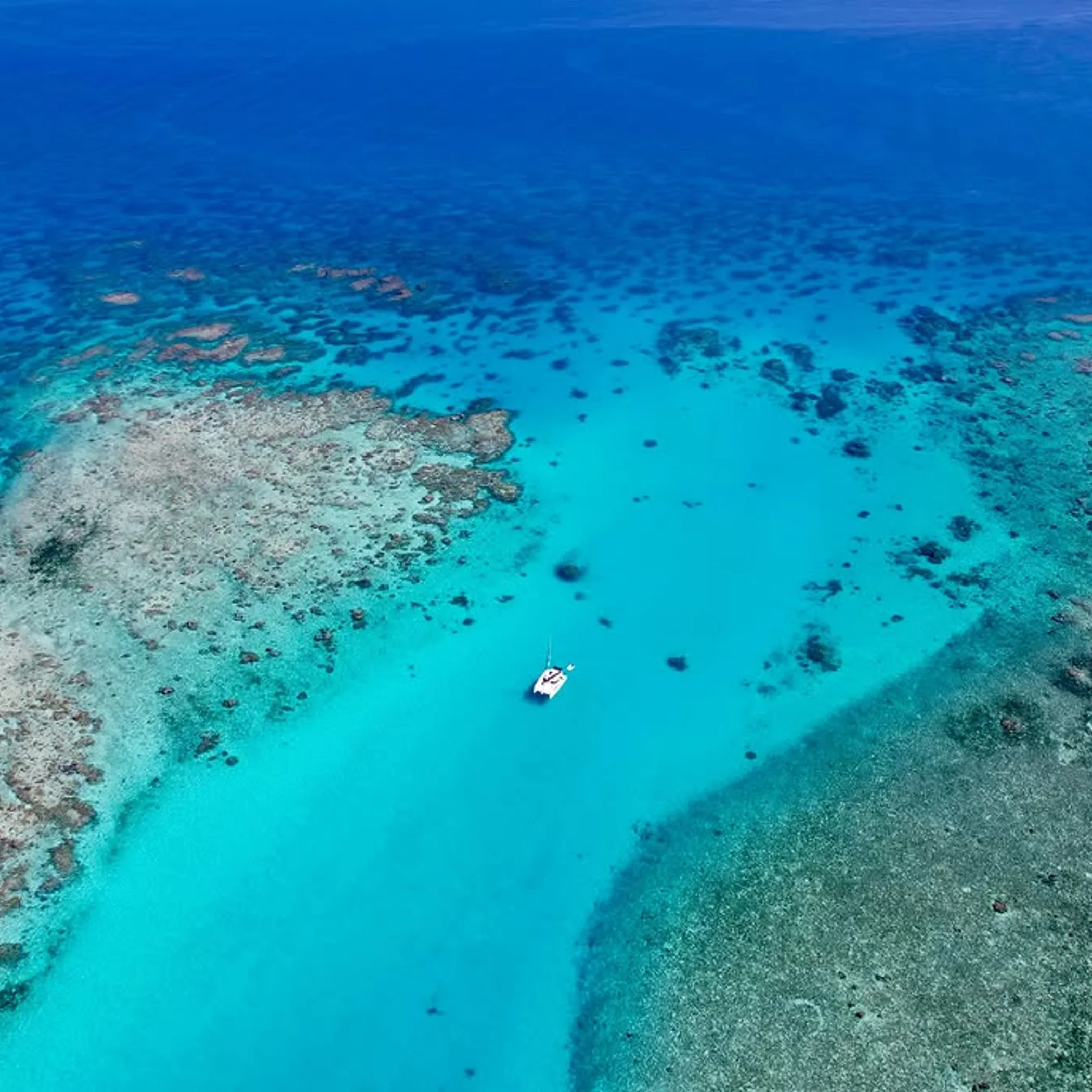
People do not give enough credit to timing if you are after the marine life. You will see your share any time of year, but there are windows for certain species and events that operators will put at the centre of their itineraries.
Brochures have a way of being disingenuous about it. It is wildlife after all. Do not expect them to put on a show of whales or coral spawning at 7:30 pm as if a curtain has been raised.
Seasonal Wildlife Calendar
The Whitsundays and the rest of the reef are at their best for humpback whales from July through September, when they make their winter and spring passage up the Queensland side. For the dwarf minke of the northern reef, the season with Cairns and Port Douglas outfits is more of a June and July affair.
Then there are turtles; nesting and hatchling cycles in the south and Bundaberg are a big pull at certain times. As for coral spawning, you will find it in some parts of the reef come November in the wake of a full moon, late spring or early summer conditions permitting. The exact moment is subject to the environment so it is interesting to watch but not something to build a once-in-a-lifetime holiday on unless you like to leave things to chance.
Watch The Real Risks
Do not let anyone sell you on the idea that the reef is a melodramatic hazard. There is no need to think every creature in Queensland is out to ruin your holiday. What gets most travellers is the heat, the sun, dehydration, stingers, choppy water and the weather.
Deal with those genuine risks and it is an easy day. Wing it and you will end up with a case of the sunburn and a queasy disposition to match the expense.
Stingers, Cyclones And Alerts
You will encounter stinger season in the warmer months, say November to May, depending on where you are. Trips do not cease for it but you would be well advised to heed what the operator says on stinger suits and safe swimming.
In the north the wet season from November to April brings with it the possibility of a cyclone. Not every summer excursion is impacted but disruptions occur. And the Great Barrier Reef Marine Park may put out a safety notice or close a site temporarily. So check with the operator on the morning of travel, not only at the point of booking.
Give Yourself Enough Time
A “day trip” is a misnomer once you add in the hotel pick-up and the getting back to it. From Cairns or Port Douglas a day on the reef is seldom a tidy six hours, it will take the whole of it and then some when conditions warrant. My advice is not to fly in and try to make it to the boat in the same morning; a bit of scheduling bravado does not stand up to tropical weather or airport delays.
Sample First-Visit Timing
- One Day: Make Cairns or Port Douglas your base and put in for a good outer reef snorkelling trip. A beginner could not do much better.
- Two or Three Days: Put in another day on the reef or mix it with a stop at the Daintree or an island. It is a useful buffer should the day prove unremarkable.
- Four to Five Days: Divide your time between the reef and some exploring of the Far North Queensland coast or Whitsundays. A word to those with a low tolerance for boats: go for the larger vessels, a pontoon or what is the shorter transfer. Some reef excursions are not for every constitution.
By way of a general rule, you will find day trips put on from Cairns make an early start and do not put in until late afternoon or evening. The multi-day liveaboard is for the keen diver but there are better options for some. First time at scuba? Have misgivings about open water or are in company of young children? A day trip is usually the wiser choice.
Budget, Booking And Packing
There is no haggling over prices for current reef travel; costs are dictated by the season, inclusions and the vessel. Factor in your transfers, gear and marine levies and a day tour for an adult will be in the mid to high hundreds of AUD, with specialist dives costing more. You may be better off budget-wise with accommodation in Cairns than Port Douglas where the range is not as wide.
Get in early to book a dry-season departure in the July-September window. Those are the prime months for the reef and Cairns and consequently everyone else has them marked down, so do not count on a last-minute deal.
Seasonal packing list
- Year-Round Basics: a hat, towel, swimmers, water bottle, a card for any extras on board, a dry bag and reef-safe sun protection. Seasickness pills before you set out if that is your way.
- Dry Season: take some light layers, the wind off wet skin in the morning can be deceptively cool.
- Wet Season: quick-dry clothes and the understanding that the weather has a mind of its own.
- Stinger Season: means heeding the tour operator’s advice on suits; it is not worth the risk of a dip without one.
Then there is the matter of expectation. The reef is magnificent, true, but it is an outdoor day in tropical Queensland all the same. By the end you are going to be sun-flushed, salty and in need of a shower. Pack accordingly and not for a ten-minute pose at the marina.
The Practical Option
June to October is the answer for most, with first-timers tending to prefer the July to September period for the visibility and calm seas and to avoid the wet season altogether. Put it how Imogen Weatherby would were she to have a coffee in Melbourne and make notes of it: do not be after some ideal, make the conditions work for you. Be sensible with your base and your time and let the reef be what it is.
FAQ
When Not To Go To Great Barrier Reef?
February and March present difficulties for the uninitiated, being right in the thick of the wet season. Add in the heat, humidity, possibility of cyclones and stinger season and planning becomes less certain. It is not that a trip will be ruined, but if ease is what is wanted, these are the months to steer clear of.
How Many Days For Great Barrier Reef?
From the Whitsundays, Port Douglas or Cairns a full day is the bare minimum. Two or three is preferable to allow for the weather and to see a bit of coast or rainforest as well.
What Month Is Best?
Many will tell you September is hard to beat. Good for snorkelling, in the dry and depending on the region you may be in with the whales.
Closest Town?
Cairns and Port Douglas are the gateways of choice for an offshore run to the reef, though in practice “closest” is a function of the operator and where one is lodged.
Is The Reef For Beginners?
Day tours certainly are, particularly for the novice or the snorkeller. Pick an operator you can trust, have a realistic view of your swimming and you will be fine.