You could put it this way when it comes to the climate in Australia: the tropical north is all about a wet-and-dry rhythm; the temperate south has four well defined seasons; the arid interior will see you endure cold nights after a day of intense heat; and the south-west of Perth is as Mediterranean as you like, with its dry summers and wetter winters. So if a trip is in the offing, what month you pick is not so much a matter of “summer holiday” thinking as it is where you are bound for in January, be it the Stuart Highway, Hobart, Alice Springs or Darwin.
Imogen Weatherby here. Most travellers make the mistake of supposing the country’s seasons are in step with one another. They are not. Australia is too big for that sort of thing and, without factoring in the region’s rainfall or cyclone season, fire risk and flooding, the weather has a way of making a good plan into a rough-as-guts affair. I have put together a guide of the practical kind rather than what you find in a brochure, with the detail required to tell you when to go and what to leave behind.
The Big Picture
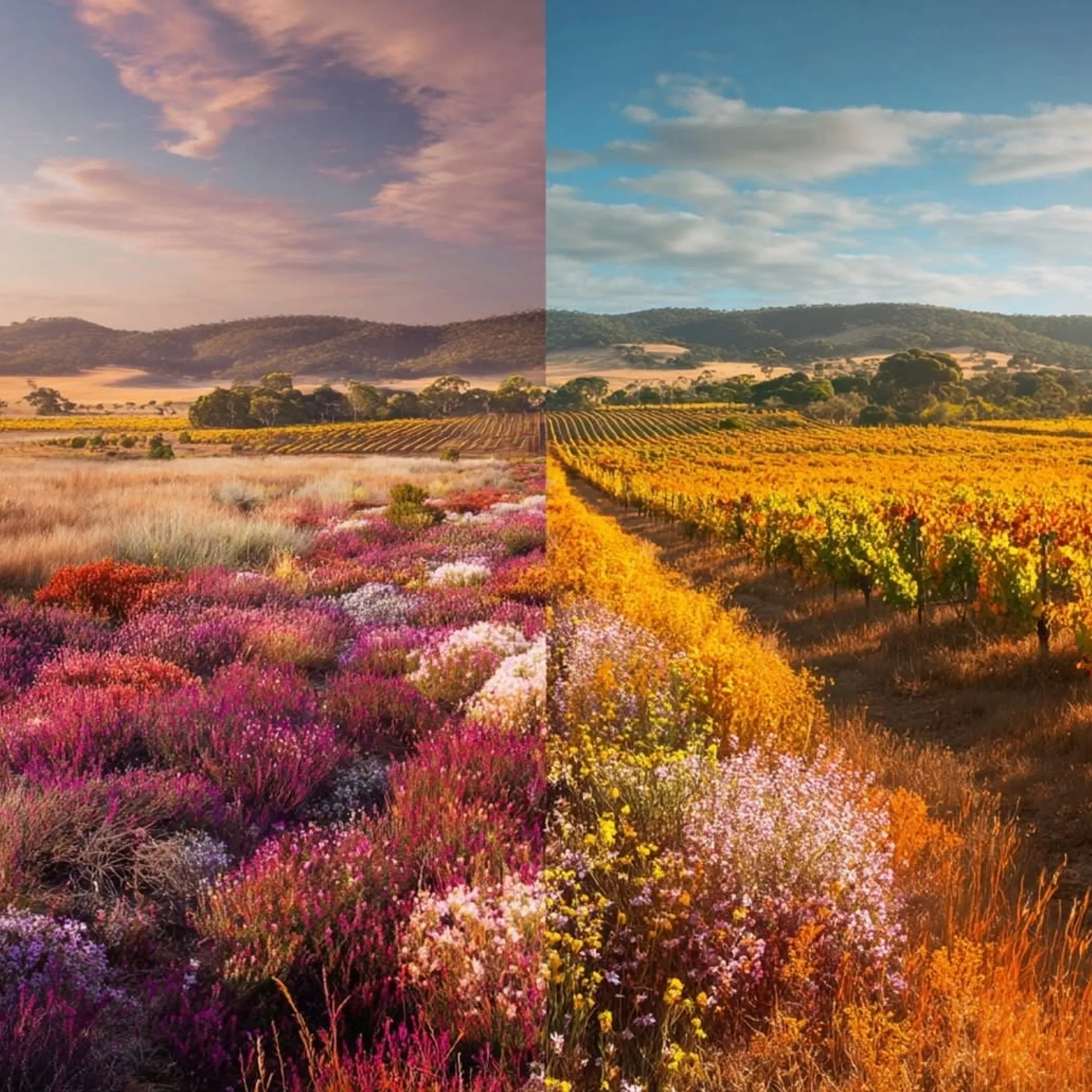
There is no single answer to the question of the best time to come to Australia, so before you start putting together an itinerary you would do well to understand the general lay of the land. For seasonal travel insights, latitude, elevation and how far you are from the coast make for sharp differences in the climate zones.
Put simply, the tropical north is governed by a monsoon and humidity, with a pronounced dry spell; the temperate south has the four-season changes one would be used to; the arid interior is extreme and dry; and the south-west corner has hot, dry summers giving way to cool and wet in winter. The divide between the two is more significant for the first time visitor than they might think.
A Few Seasonal Calendar Rules
They are reversed from the Northern Hemisphere: summer runs December through February, autumn March to May, winter June to August and spring September to November. You may be in for a shock if you show up in Melbourne for a white Christmas or in Darwin for a mild afternoon in January.
Treat them as markers for your travel plans, nothing more. Local geography and the odd heatwave or cold front can alter the day-to-day in a hurry.
| Region | Main Climate Type | What to expect | When to be there |
| Top End, Far North Queensland | Tropical | Wet and dry | May-September |
| Melbourne, Sydney, Adelaide, Hobart | Temperate | Four seasons | Spring/autumn for a bit of balance |
| Alice Springs, Red Centre | Arid | Hot days, cool or cold at night | April-September |
| Perth and the WA south-west | Mediterranean | Dry in summer, wet in winter | Sept-Nov, March-May |
| Australian Alps | Alpine | Snow in winter | June-August for snow, summer to hike |
Do Not Apply Northern Hemisphere Logic
It is something that catches people out. In southern Australia December is for the beach, but in the arid interior the heat is hazardous and the tropical north is under cyclone watch.
Those from the UK, Europe or North America should put their seasonal instincts in reverse. Summer in these parts brings bushfire conditions, peak pricing and Christmas closures, as well as school holidays, which is not what many have in mind.
Reality Check
One might think a climate map of Australia would settle matters. But then you have Sydney and Cairns on the same east coast and they are worlds apart. Or Hobart in the winter, a different proposition altogether, and in Alice Springs it is scorching until the sun goes down and then it gets cold.
Or take the notion that summer is the time to be in Australia. In the Top End and the Red Centre for instance, you will find little in the way of value or comfort, and safety and access can be an issue.
The Wet And Dry Of The Tropical North
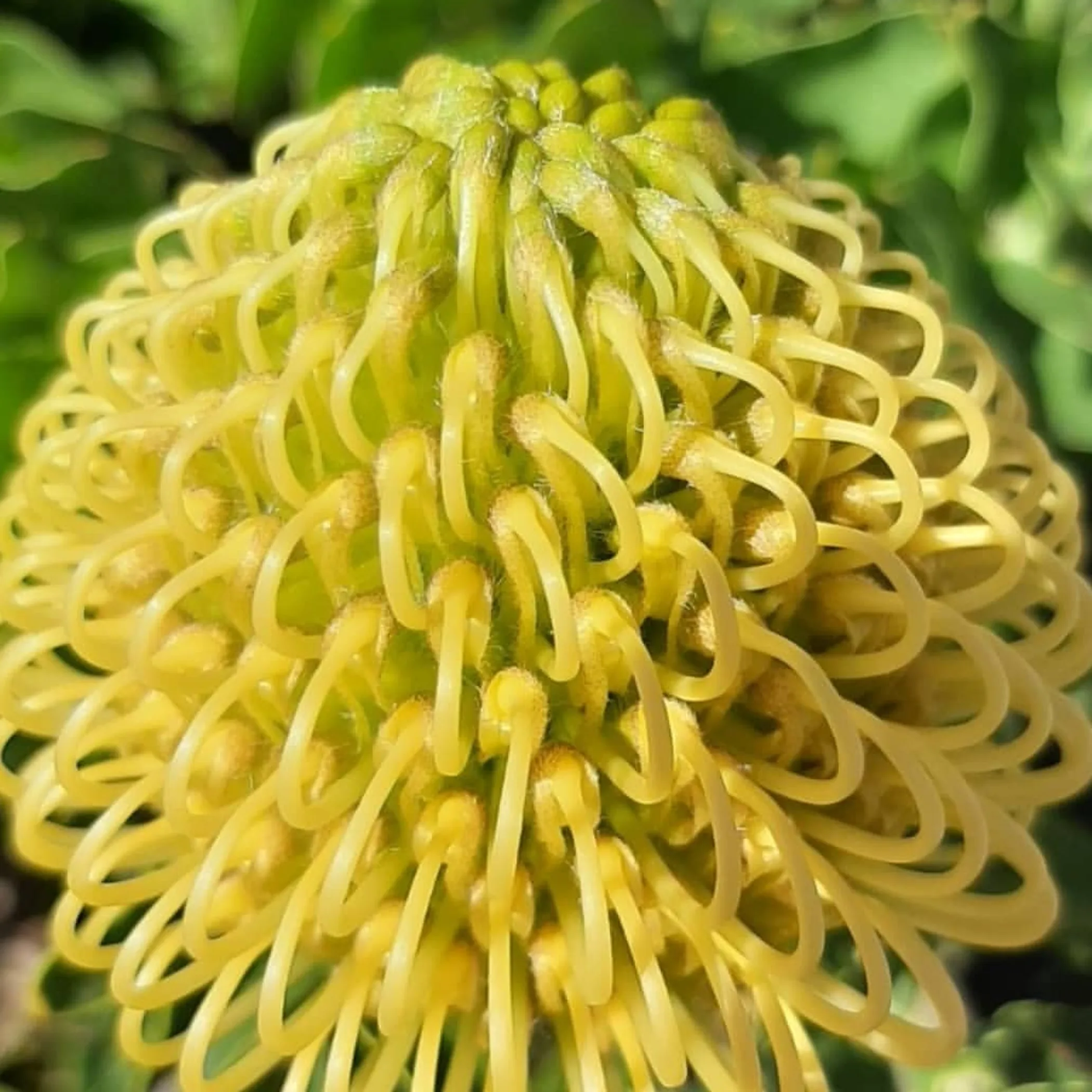
In the Top End, Darwin, Kakadu and the likes of Far North Queensland near Cairns you cannot rely on four neat seasons. You have to consider the wet and the dry.
This is where having some insight is useful. A walking track or waterfall that is fine in July is not going to be accessible in February.
Darwin and the Top End
Here you will find the classic Australian pattern of a wet and dry season. From November until some time in April the wet season is in full force, and with it comes high humidity, monsoon rains and storm activity, to say nothing of flooding and cyclones. Then there is the dry season, May to September for the most part, when you will find the skies are clearer, the roads more dependable and the kind of tourist conditions that put a smile on most travellers’ faces.
I remember my first foray into the north in anything but the dry; it was not so much the heat as the way things just slowed down. Distances have a way of seeming longer, there are not as many roadside stops as one would think, and a good deluge can scupper your access plans in no time. That is something people tend to overlook in their quest to know the best time to be in any given part of Australia.
Cairns And Far North Queensland
Like Darwin, Cairns is in the tropical north if the local conditions are not quite the same. The summer and early autumn months are apt to be very humid, heavy with rain and the odd tropical low or cyclone. A winter day is drier and milder, better suited to a day walk, some coastal touring or a trip to the reef.
Then again it is not always the temperature that catches one out. It is the humidity, the suddenness of the rain, marine stingers in the warmer months, and how a winding coastal road subject to the vagaries of the weather can make “a short drive” take its time.
Who This Season Suits
If you are a family or a first-timer, or a road tripper looking for open roads and no surprises, the dry is for you. The wet has its appeal for the repeat visitor or photographer who is not fussed by the heat or having to be flexible with plans and put in some indoor time.
- Broadly speaking, May to September are the months for access.
- But from November to April one should be on the alert for cyclones, closed roads and the like, and exercise due caution around waterways with crocs at any time of year.
- As for cost, expect to pay a premium for accommodation in the peak dry in places like Darwin and Cairns; the wet season has better deals provided you can live with the trade-offs.
Southern Capitals Have Four Seasons
The temperate south is what comes to mind with the word “seasons”, yet the regional distinctions are there if you look. Melbourne, Sydney, Adelaide, Brisbane and Hobart may all be in the temperate-to-subtropical zone but they do not present the same on the ground.
Travel in the shoulder season and this part of the country will reward you with less stress and crowds than the peak, and more agreeable temperatures for driving the coast or mixing up some museum time with the outdoors.
Melbourne, Adelaide, Hobart
Melbourne has a reputation for changeable weather and lives up to it. Summers are hot and dry, at times with the risk of bushfire smoke; winters are cool and damp, not exactly freezing. For a regional drive or to putter about the city, spring and autumn are where it is at.
You will find Adelaide drier than Sydney or Melbourne, with hot summers and a mild winter. Hobart is cooler still, its winters brisk and summers nowhere near as intense as the mainland capitals. Late spring and early autumn are fine for a long walk without the heat.
Sydney And Brisbane
Sydney is humid subtropical, not tropical as some might ask. Rainfall is spread over the year and summers are warm to hot, but it varies with elevation and whether you are in the western suburbs or on the coast.
Brisbane is on the warm side of that, with a humid summer and a winter that is mild and dry enough for anyone. Do not let the fact it is on the east coast lull you into thinking a summer here is easy going if you have an aversion to the stickiness. In the holidays it is as packed as you like.
Australian Alps And Snow
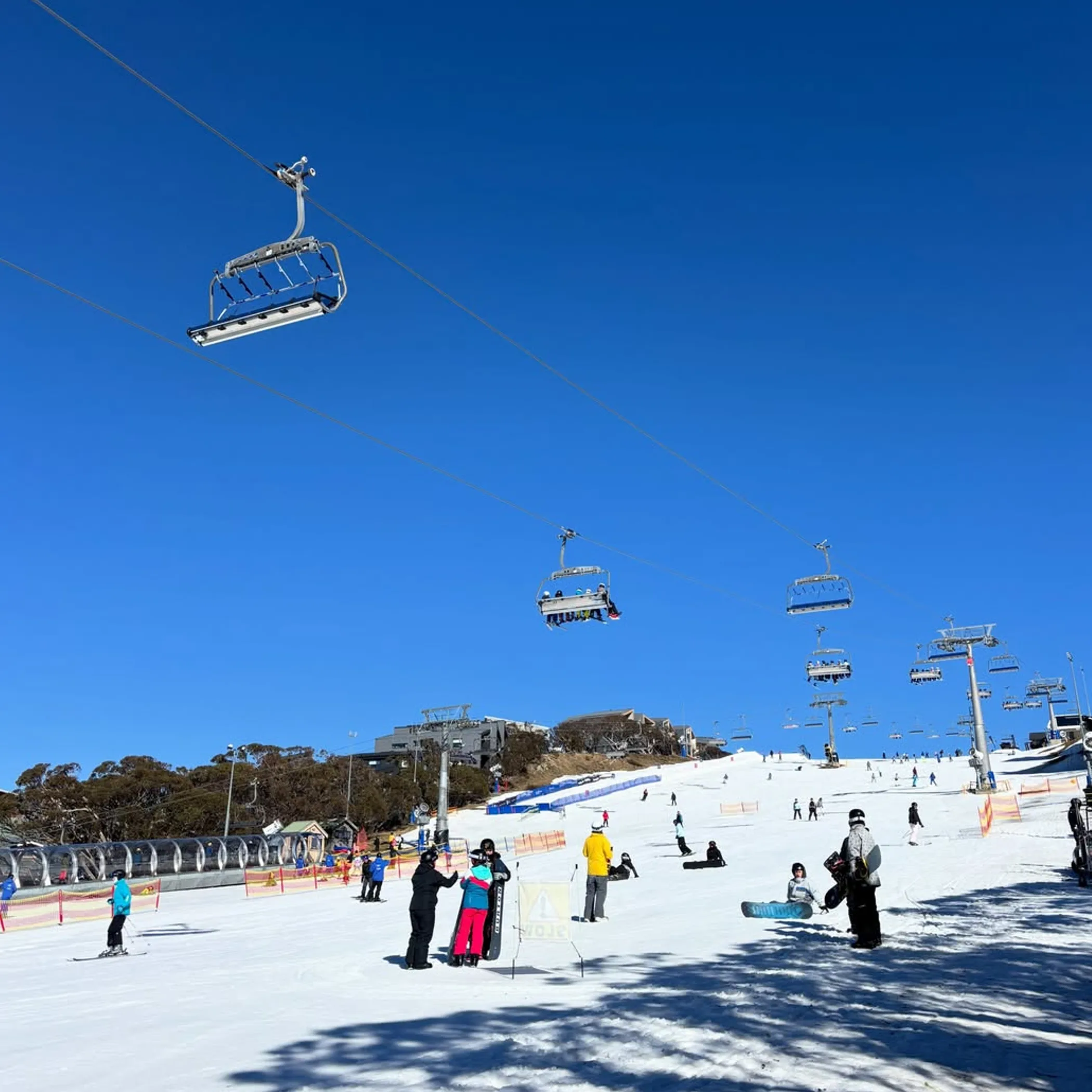
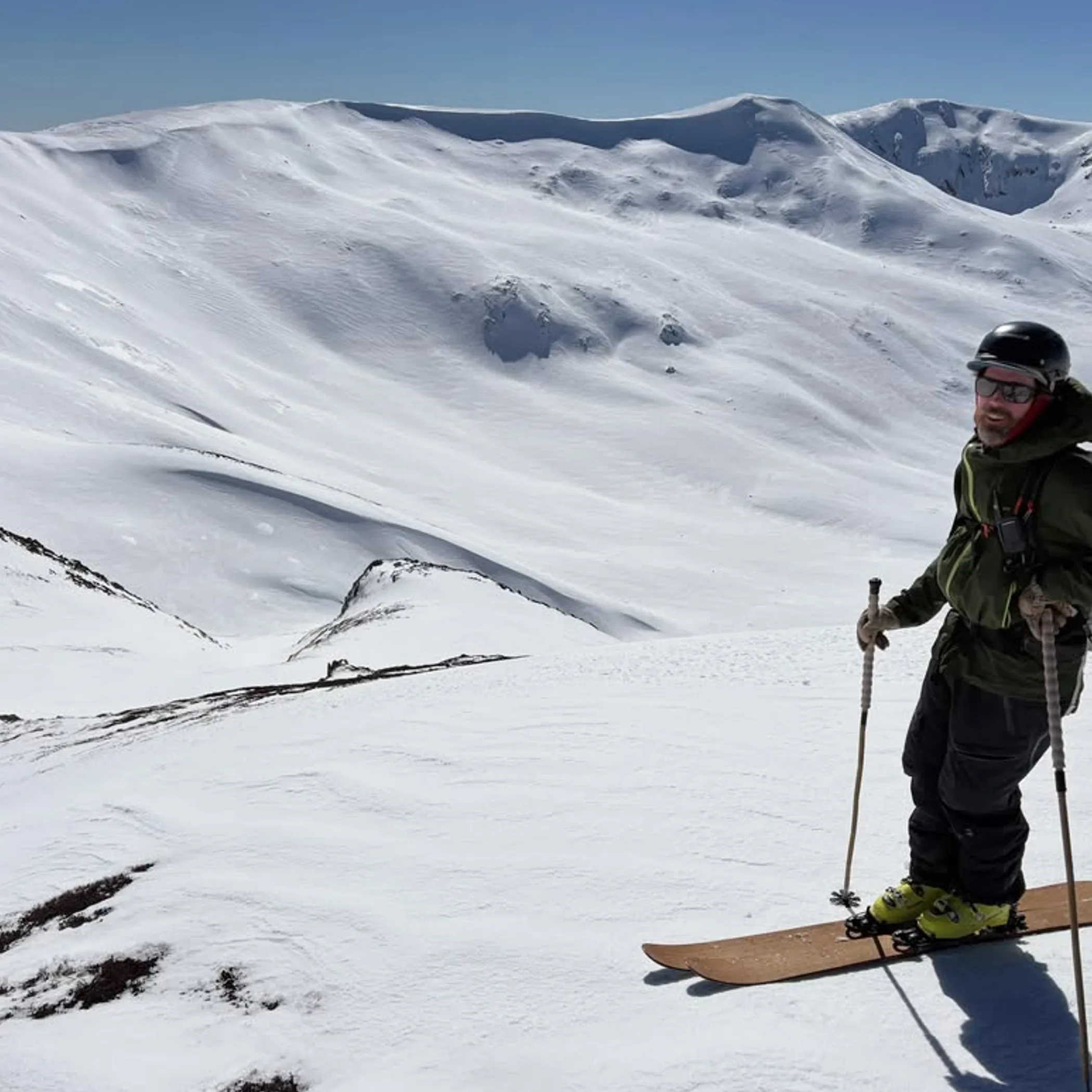
There is snow in Australia, and the Alps give the seasons another dimension. The snow season is a winter affair in the Australian Alps but do not count on the predictability of the northern ski regions. For snow sports you have to go by current conditions, not the calendar. Hikers will want to wait for the warmer months when the alpine tracks are open and the daylight is better.
The Red Centre Plays By Different Rules
In the arid interior one can be forgiven for underestimating the distance and the heat. Alice Springs and the rest of the Red Centre may read as dry on paper but it is not so straightforward.
People make the mistake of concentrating on the daytime maximums. Day and night can see a big difference in temperature in these parts, particularly in the cooler months, and you will need to factor that into what you pack for yourself and the car.
Alice Springs And Surrounds
There is a time of year in Alice Springs when the summer heat is no joke; by midday you may find that any amount of sightseeing, road stops or protracted walks are either an unpleasant prospect or simply not safe. The days in winter put up with far more, though one would be wise to have packed for something other than the coast as the nights will get cold.
A day in the Red Centre is best spent outdoors at dawn or first thing in the morning, leaving the hours around noon open. When on the road, do not expect to keep to the map’s timing. You will want to put the brakes on for fuel and water, to take in some photos and escape the heat, and the road trains on the highway command your respect.
Logistics That Matter
The Stuart Highway or a flight will bring most people to Alice Springs. Self-drivers should make sure of their park access, mobile coverage, the state of the tyres and fuel intervals, and have enough water before departing town. A sub-standard spare tyre or a lunch of convenience is a minor thing in the suburbs, but out here it is another matter.
For a measure of comfort and access there is no better option than shoulder-season touring in the Red Centre. Those new to the area, or families of a certain age who do not care for the heat, would be ill-advised to try and fit in too many exposed walks in the summer.
Perth And The South-West Reward Timing
In Western Australia you have plenty of ground to cover, yet Perth and the south-west follow a pattern that is simple to plan around. It is hot and dry in the summer and the rain comes in the winter. With this sort of Mediterranean climate spring and autumn are to be preferred: the weather is agreeable, the country is greener and one is spared the headaches of a hard winter.
Perth By Season
Head to the beach in the summer if the heat is not a problem, but inland excursions can be fierce. Winter is cooler and wetter, suitable for a city sojourn or some wine and food, but less so for anything prolonged outside.
Make your way to the south-west by car in the shoulder months and the coastal walks, national parks and town-hopping will be more of a pleasure. One does not encounter the same sense of urgency with parking or accommodation as at the height of the holidays.
The Pilbara And Northern WA
Not all of WA is like Perth. In the Pilbara and the north you are back in semi-arid and tropical territory where the summer is very hot and the north-west has cyclone risk in the warmer part of the year. I have been taught by experience that a summary of the state’s weather does not tell the whole story in WA. The distances are such that what is a mild break in one place is a punishing crosswind or a closed road in the next.
Use Timing To Your Advantage
To get the most from a trip to Australia is to visit the region at its best. There is no point in adhering to a rigid calendar when the climate dictates otherwise; it is the surest way to sidestep the worst of travel and the expense that goes with it. Off-peak has its merits too. Shoulder months will often afford a better headspace and value for money than peak season.
| Destination | Best Broad Window | Avoid If Possible | Good For |
| Darwin / Top End | May to September | The wet season when you need to get about on the roads | Road trips, waterfalls, national parks |
| Cairns | June to September | The stormy and wet midsummer | Rainforest and the reef |
| Melbourne | March to May, September to November | Any sensitive to the extreme summer heat | Events, food, day trips and the city |
| Sydney | Spring and autumn | The crowds at holiday peaks | Stays in the city, the harbour and the coast |
| Alice Springs | April to September | The high summer | Scenic drives and outback walking |
| Perth | September to November, March to May | Midwinter for those wanting dryness | Touring the city and south-west |
| Hobart | December to March and the shoulders | Midwinter if daylight is required | Food, walks and cool-climate touring |
Packing Without Overthinking It
One should pack for the region. The tropics of the north call for insect management, good sun protection, something breathable and in the wet season the right kind of gear. Down south in temperate climes you will want to layer up rather than over-pack. In the Red Centre put in a warm layer for after dark and more water than you think you will need.
A road-tripper would do well to have a few snacks, a car kit, paper directions as a backup and means to charge devices, and not put too much stock in the drive times that are put forward. There is utility in a climate zones map, yet the conditions you will encounter on the ground are of more consequence than the neat colours of any graphic.
Weather Risks Are More Than An Afterthought
In Australia one does not treat regional weather hazards as an aside. They have a bearing on your safety and road access, on park and marine conditions, and on whether an “easy day trip” stays that way.
At the time of writing, the most reliable public source for current forecasts, warnings, and climate information remains the Bureau of Meteorology Australia official website. The Bureau puts out its own warnings on cyclones, fire weather, floods, heat and the like; such updates should be given precedence over any blog I or others might write.
Hazards Vary By Region
Tropical north presents the likes of cyclone alerts, heat stress and marine or flood hazards. The south in summer is where you will find smoke and heatwaves, and bushfire closures. Alpine roads are at the mercy of snow and ice. As for the arid interior, most do not give enough weight to the risk of vehicle problems, dehydration and the long wait for an emergency response.
Then there is the cost of it. A flooding event or smoke putting an end to your walking plans will make a bargain off-season fare seem less so. You can be looking at extra fuel, days wasted and tours you have to cancel.
Make Use Of The Data
You are no meteorologist but you can make proper use of the BOM by not just reading the headline temperature. Give the warnings and radar some attention along with localised forecasts for your dates. Let Australia.com be the place for ideas and the Bureau for making decisions. Even when you are taking cues from Australian Wildlife Journeys for a wildlife excursion, an official warning is what counts.
Do not make the mistake of checking only the capital. Melbourne is not all of Victoria and the weather in Cairns has little in common with inland Queensland. Heed the advice on floods, fires and cyclones as much as the forecast. And 72 hours before you go, have another look; in the tropics or alpine country, or during fire season, things have a way of changing in a hurry.
Frequently Asked Questions
For those who want the unvarnished answer without the jargon, here they are.
What constitutes the 8 Climate Zones?
By the national classification system, Australia is made up of eight: equatorial, tropical, subtropical, desert, grassland, temperate, alpine and Mediterranean. Some agencies may have their own way of grouping them, so see the figure as a framework.
5 Basic Regions For Planning
A simpler model for deciding on your travels would be to think in terms of the tropical north, subtropical east, temperate south, the arid interior and the Mediterranean south-west. Local differences will always be there.
Where is the best climate in Australia?
You will not find a national champion in this regard, only what suits you. Perth or Adelaide for dry warmth, Hobart and the alps if milder summers are to your liking, or Brisbane for a bit of winter sun. It is a matter of preference.
Is Sydney to be considered tropical?
No, it is humid subtropical. The rainfall and warm to hot summers are nothing like the wet-and-dry of a true tropical such as Darwin.
When to stay away from the Outback or the North?
High summer is usually the most trying time in both the Red Centre and the tropical north if you value comfort and easy access, though it depends on the region and what is happening at the time.
Some Advice To Go By

Let this be the thing you take from it: the month in your calendar is less important than the seasons of the region. The west coast, the arid interior, the temperate south and the tropical north each have their own logic; plan for it and the trip will be all the better for it.
Imogen Weatherby would have it simple. Be inspired to pick your destination but let the climate and any current warnings dictate the timing. That is how you put yourself in a position to have the sort of trip you set out for, avoid the unpleasant surprises and keep some money in your pocket.