In Australia there is a host of trees one would do well to keep at a distance from pipes: willow, poplar, bamboo, camphor laurel, liquidambar, paper mulberry, any number of figs and some of the bigger eucalyptus. The root systems on these can be quite vigorous or extensive and they will make short work of a crack in a sewer or stormwater line, a loose joint or a leaky connection.
But then again, a tree root is not going to put its foot through a pipe that is watertight and in good order. They are after moisture and will find their way in where there is a weakness. An old earthenware pipe or a badly joined section of PVC is an open invitation; so too are leaking inspection points. You can have more trouble with a small tree next to a pipe that is on its last legs than a large one by a modern line.
I am Imogen Weatherby, writer and editor from Melbourne with a practical bent for the intersection of suburbs, infrastructure and gardens. I have had my share of “safe tree” lists called into question after a meagre backyard specimen was held responsible for a sewer blockage originating in a cracked joint. One has to ask what condition the pipes are in, how much room the site affords and what the tree will be like at maturity.
Why Roots Target Underground Pipes
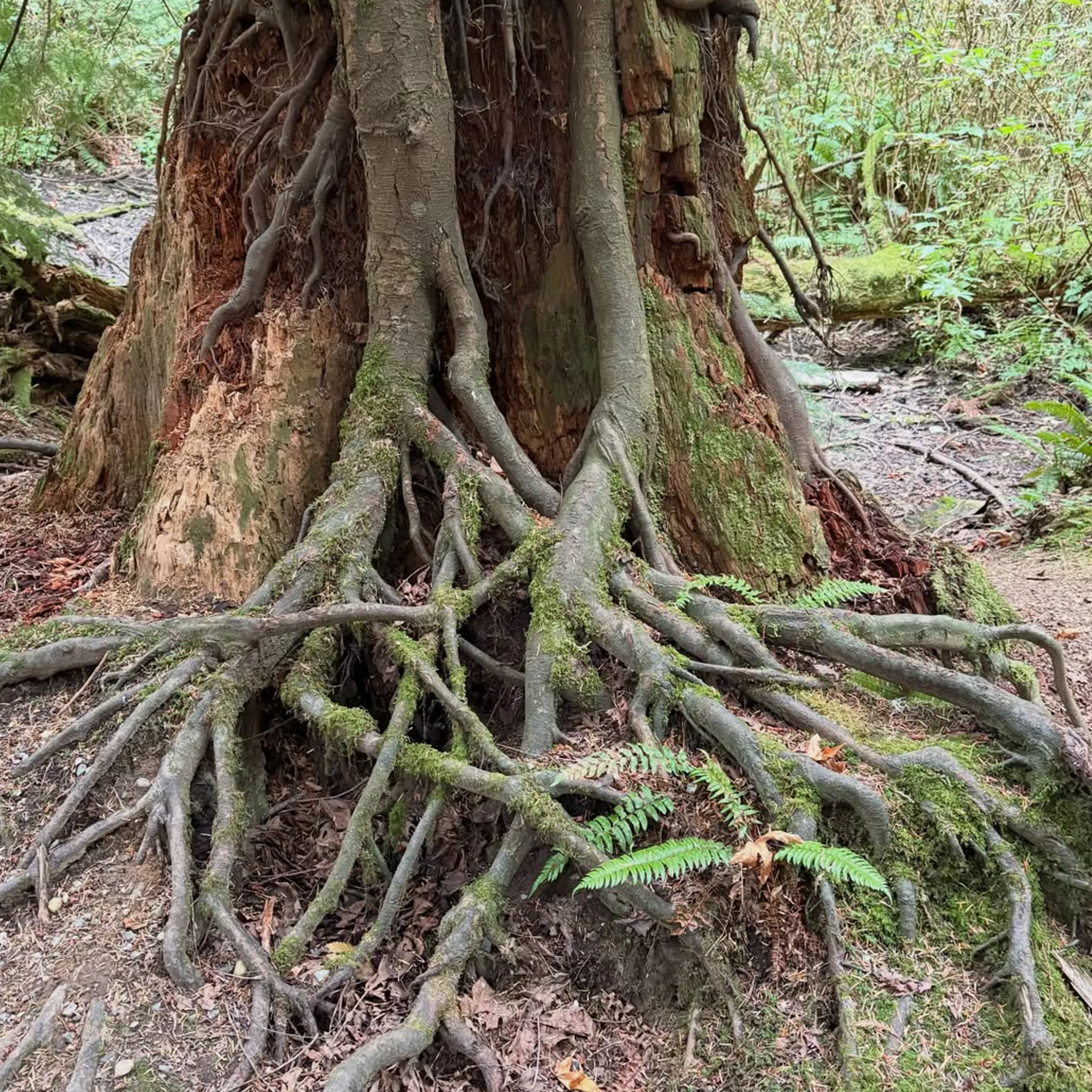
To plant sensibly you have to have some understanding of roots invading sewer pipes, rather than regard every root as a little tradie with a crowbar down there. A leak in a pipe is a very tempting place for a root to put down stakes in search of nutrients, oxygen and water.
While most are shallow, they will go some horizontal distance if the soil is loose and damp. A sewer or stormwater trench is apt to offer just that and can serve as an underground thoroughfare for a root heading for a leak far from the trunk.
Roots Follow Leaks And Cracks
Open joints, fractures and gaps at an inspection opening are all fair game. Get inside and fine roots can become a tangle of debris, toilet paper and grease. This spells gurgling toilets, bad odours or a blockage come the heavy rains.
Then there is the matter of water mains. A pressurised main left intact is not something a root will invade as it does a sewer, but they can still cause movement about the pipe and complicate access to a leaking fitting. Do not put a wet patch down to irrigation without checking; the service may be damaged.
Old Pipes Increase The Risk
You cannot separate the risk from the state of the pipe and its material. Clay and concrete sewers of a certain age will see their joints give way with the shifting of the soil. A new pipe that has been put in properly is not beyond damage but offers fewer opportunities for entry.
The mistake is to put in a tree and check up on things afterwards. Make sure you know where the private sewer and water mains are before breaking ground. They could be anywhere from the front verge to an easement at the rear in Australia. A sketch will do in a pinch but do not think it replaces a proper service search.
Australian Trees That Need Caution
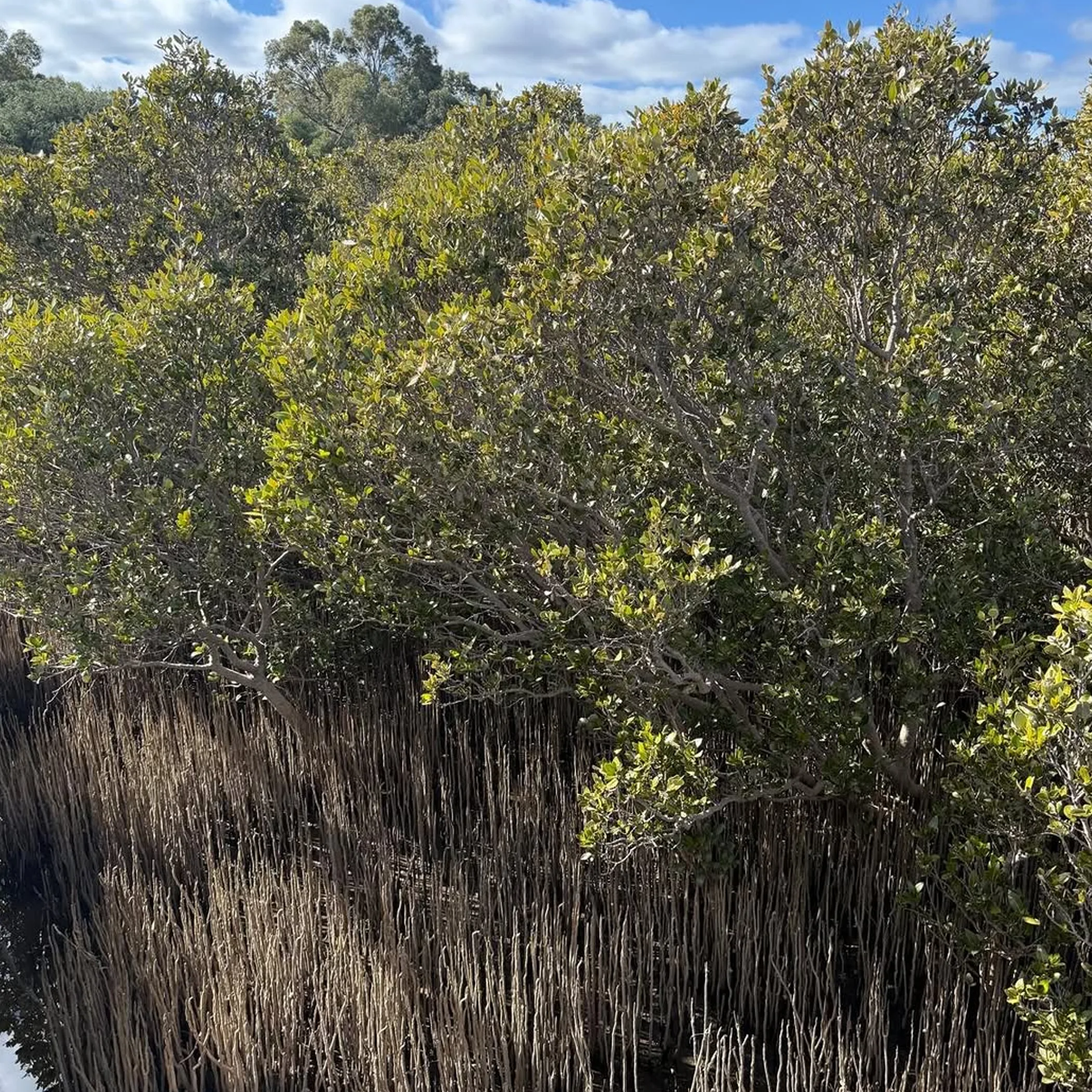
Some of the more common street and garden trees have roots that are either far-reaching or vigorous. Not a bad tree for all that, but they must be sited with care away from services and given the space and infrastructure to warrant it.
What follows is a guide to the risks involved. It is for planning purposes only; the outcome will be dictated by everything from the cultivar and climate to the state of your pipes and how you irrigate.
| Tree Or Plant | Why It Can Cause Trouble | Practical Planting Advice |
|---|---|---|
| Willow | Given to wet ground, the roots are fast-growing and in search of moisture | Best to stay clear of old pipes, drains, creeks and your sewer |
| Poplar | Suckering growth in some and roots to match | Confining them to a narrow verge or small block is not advisable |
| Fig | A sizeable mature tree with roots to go with it | Only for a site with ample space and no services in the way |
| Eucalyptus | Wide root spread and a canopy to boot with the larger species | Go for a smaller type and allow for its eventual dimensions |
| Camphor Laurel | Vigorous evergreen of considerable proportions | Small yards, retaining walls and pipes are not suitable neighbours |
| Liquidambar | Heavy canopy and a propensity for surface roots in hard packed earth | Keep from hard landscaping and services |
| Paper Mulberry | Spreading, suckering roots and quick to grow | Not for a garden where you cannot control the spread |
| Bamboo | Rhizomes of running types will put in an appearance over the boundary | Confine clumping forms to a set area |
It is not uncommon to see willow and poplar in the vicinity of water, being as they are tolerant of the damp. Leaking sewer and stormwater infrastructure are bad enough without the added complication of a fig, which is why they are not to be recommended. In a warm climate a fig will put on size and in confined quarters its roots have a way of encroaching on foundations, paving and pipes.
Then you have eucalyptus, a matter of some nuance. The term encompasses hundreds of species, everything from a forest giant to an ornamental of modest proportions. There is all the difference in the world between a large river red gum next to a bathroom drain and a small gum or mallee. Do not be swayed by a nursery touting “fast growing” on the label; get the mature figures.
Running Bamboo Is A Special Case
Not a tree in the strict sense, yet running bamboo has a place on any list of what to keep away from your sewer pipes if you do not know the type. Its rhizomes go underground and will make their way under garden beds, fences and paths. It might not trouble a pipe in the way fine tree roots do but it can be a nuisance come time for excavation or service access. Should you want to include it in the garden, opt for a clumping kind and take professional counsel on the installation. A flimsy plastic edging strip is no substitute for a proper root barrier; the rhizomes are too persistent.
How Far Should Trees Be Planted?
You will not find an Australia-wide distance that guarantees safety for every tree and every pipe. One must consider the state of the pipe, the soil, easements, local authority rules and the size of the species. Think of distance as a means of reducing risk, not some sort of force field.
To be on the safe side, put a small tree 3 metres clear of underground sewer and stormwater lines, a medium one at 5 metres and allow 10 or more for a large specimen. Where pipes are old or hard to get at, put in some extra clearance. Have your plumber, arborist or water authority put the final position to rest.
Measure Mature Size Not Nursery Size
Put aside the 200-millimetre pot and look at the eventual canopy, which could be several metres across. With compacted or irrigated soil the root zone will go well past the drip line. Take note of the spread and height on the label and factor in room for maintenance and pruning.
It is a frequent error to measure from trunk to pipe and overlook the private connection to the street or any junctions and bends. Map out the whole of the service route first. If a tree has to be near a line, go with something of a compact, non-invasive habit and leave the trench unencumbered.
Check Services Before You Dig
Any excavating should be preceded by the service-location process in your state or territory. A public plan will not account for private plumbing beyond the normal point of connection so a licensed service locator or plumber may be called for. See also if there is a sewer easement on the property; it can put limits on access and construction even where the pipe is not apparent. A tree over an access point is not so appealing when a crew has to dig it up on a wet Tuesday for maintenance.
Safer Trees For Compact Gardens

When it comes to planting close to a sewer line, a slow- to moderate-growing species with a root zone in check is preferable. Nothing is entirely “safe” but a smaller tree lessens the impact of a leak down the track and offers more flexibility. Your climate and what is available locally will dictate whether you go with a crepe myrtle, Japanese maple, citrus, bottlebrush, a lilly pilly of compact cultivar or other small Australian native. Verify the mature size and any environmental rules before parting with your money.
Choose Clumping And Compact Plants
Clumping plants are to be preferred to running bamboo for a screen. The bamboo will hold to a group but demands regular attention and space. Westringia, lilly pilly or a small bottlebrush are other ways to go.
A low shrub or groundcover is often the surest option alongside a service corridor; they put in some greenery without a woody root system to contend with. In a narrow side passage in Melbourne a few good shrubs will serve you better than a tree that in time makes a leafy tunnel of the place.
A Word on Root Barriers
They will do to divert roots from a pipe if you put in the effort to have them properly specified and installed. But be careful with root barriers; an ill-fitted one or a shallow installation will see roots go over, under or round the end of it. There is also the matter of giving the tree room so the barrier does not strangle it when the trunk and root flare put on size.
One should not make the mistake of using a root barrier as an excuse to put in a large camphor laurel, fig or willow in some small courtyard. It is for risk management, not to let you overlook what the tree will be like at maturity. An arborist is worth consulting to look at the soil, services and the tree itself before any outlay on materials and excavation.
Roots in Your Sewer Pipes
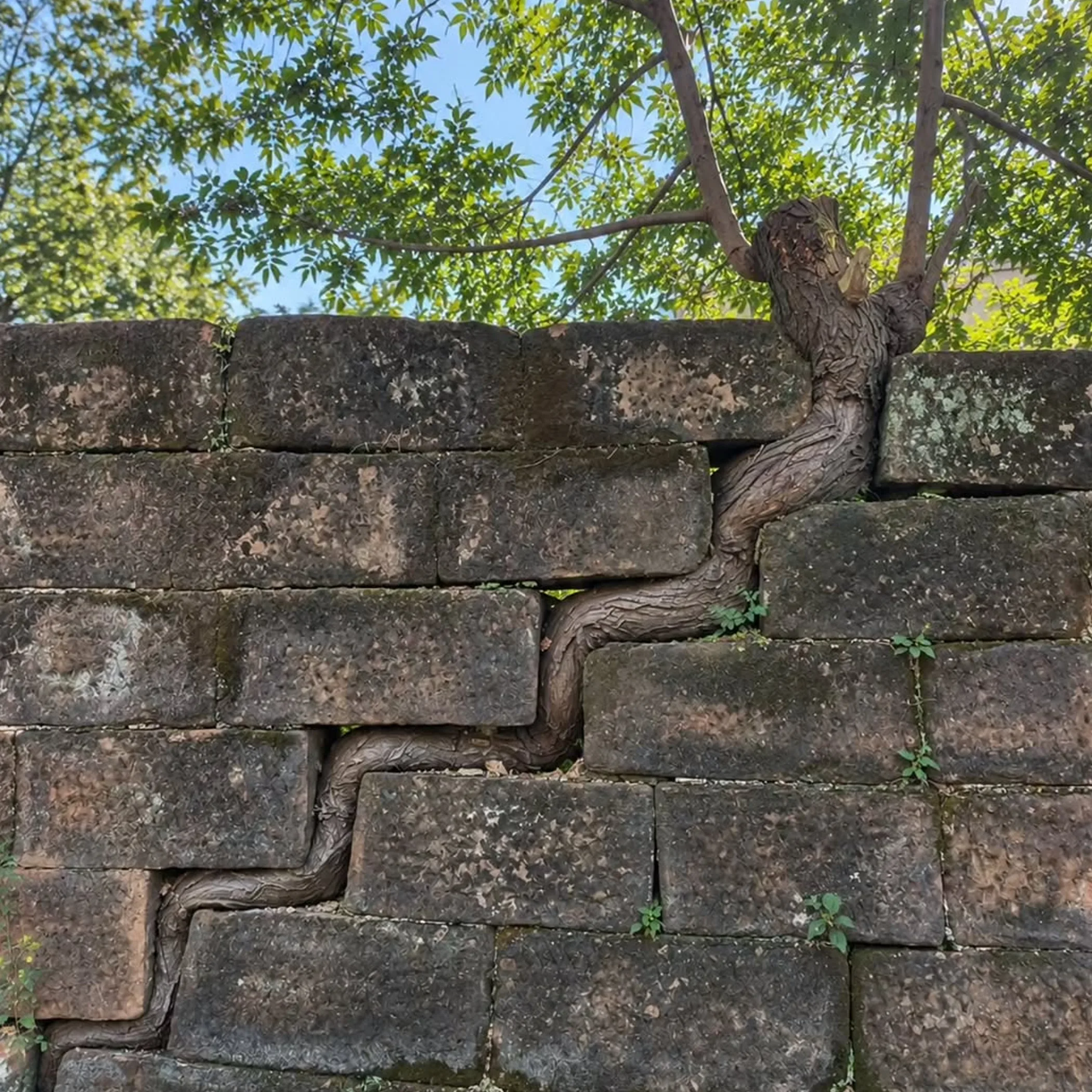
When roots have made their way into sewer pipes, resist the urge to prune aggressively and make a proper diagnosis first. You are unlikely to get to the heart of the matter by lopping off what is visible above ground, and taking out a major root risks a hazardous wound or destabilising the tree.
Have a licensed plumber put a camera to it to see the condition of the pipe, where the roots are entering and how bad the blockage is. From there the plumber can put forward a course of action: mechanical or high-pressure water jetting, a root-control product suited to the plumbing, or perhaps repair and replacement.
Dealing With Blockages More Than Once
An obstruction here and there may be nothing more than that. But if you are getting blockages in the same spot time and again, it points to something structural or root intrusion. Make note of the dates, which fixtures are involved and what the plumber has to say in his report. Such details will tell you if you are looking at a tree problem or a fault with the stormwater, a build-up of grease or a pipe that has given way.
Household chemicals are not the answer to killing roots in a drain; they will do no good for the damaged pipe and can be detrimental to the waterways, soil and your plumbing. Where a tree is near the line, take counsel of an arborist and a plumber as to whether it has to be removed.
Is Removal Warranted?
There are cases for it, such as with a high-risk species of considerable size over a pipe that is beyond repair. But it is not the default. Local council may have rules protecting certain trees and demand approval for their removal. Pruning will lighten the canopy but is no surefire way to check root growth. And even after a tree is gone the issue may persist as old roots in the soil decompose and continue to trouble the pipes. The defect in the pipe needs to be dealt with too.
A Checklist for Planting
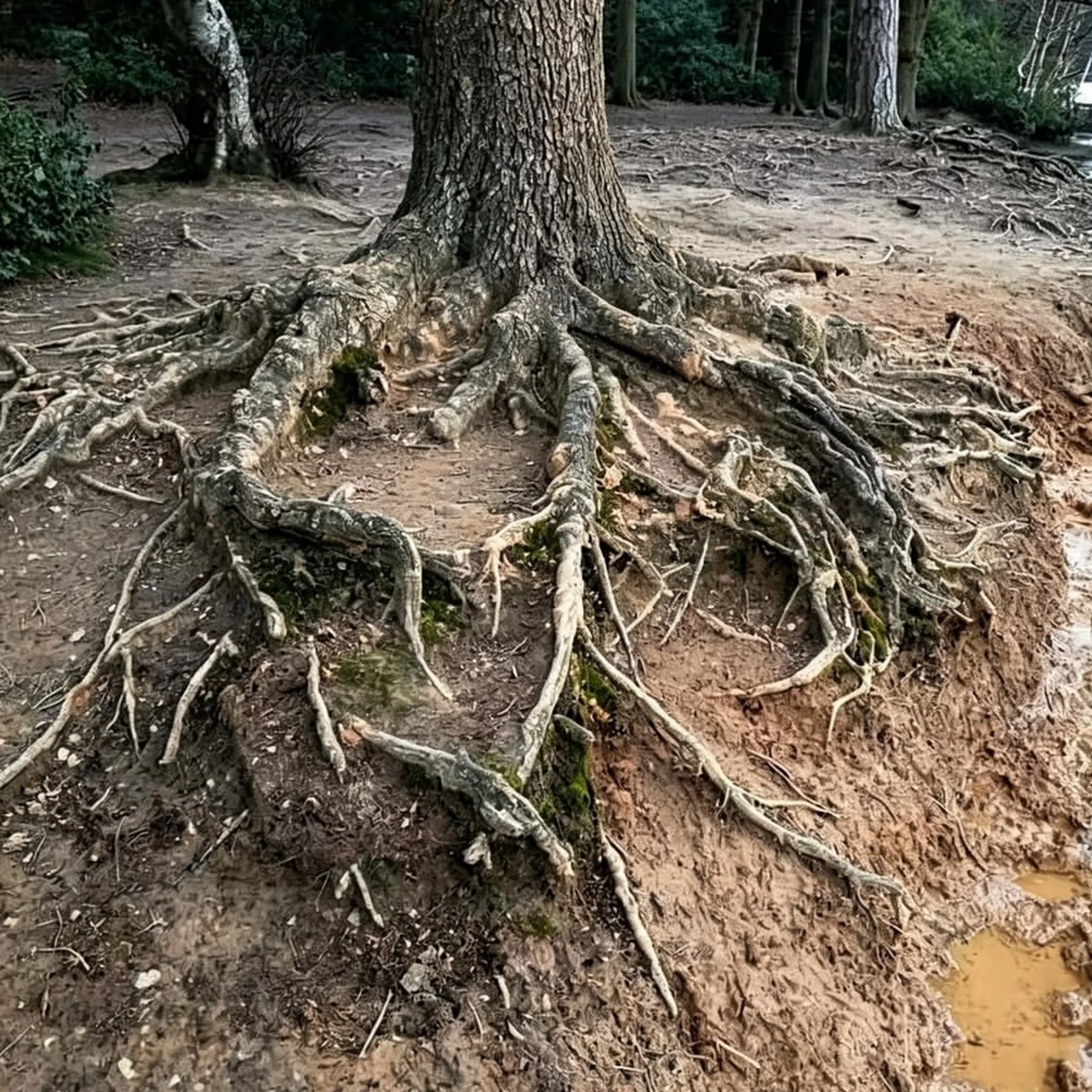
Before you break out the shovel or part with your money for a tree, run through this. In older suburbs with incomplete plans and a history of service work it is all the more pertinent.
- Put down on paper where the sewer, water mains and drainage and stormwater pipes are.
- See what the property plan says about easements and access.
- What are the root habits, the spread of the canopy and height at maturity?
- Make provision for any future need to excavate or maintain.
- For a narrow area a clumping plant or a small tree is better.
- Old or compromised pipes are something to put to an arborist or plumber.
- And if the tree is a protected one, see what the council will allow before planting or removing it.
Reality Check
The expectation is that a tree’s roots will not extend beyond its canopy. The reality is that roots will put in the distance to get at loose soil, oxygen and moisture in a service trench.
One might expect new pipes to be immune, but even when properly put in and of good quality they are not invulnerable; a leak down the track or some movement and construction damage can open them up.
It is often thought that no eucalyptus has any place near a pipe. In fact there is much variation in size and species. A gum of modest proportions in the right spot is fine, whereas putting a large one on a tight block is only inviting trouble.
And do not assume that getting rid of the tree will solve all problems. There may be pipe work to do yet and what roots are left behind can be a nuisance for a while.
Frequently Asked Questions
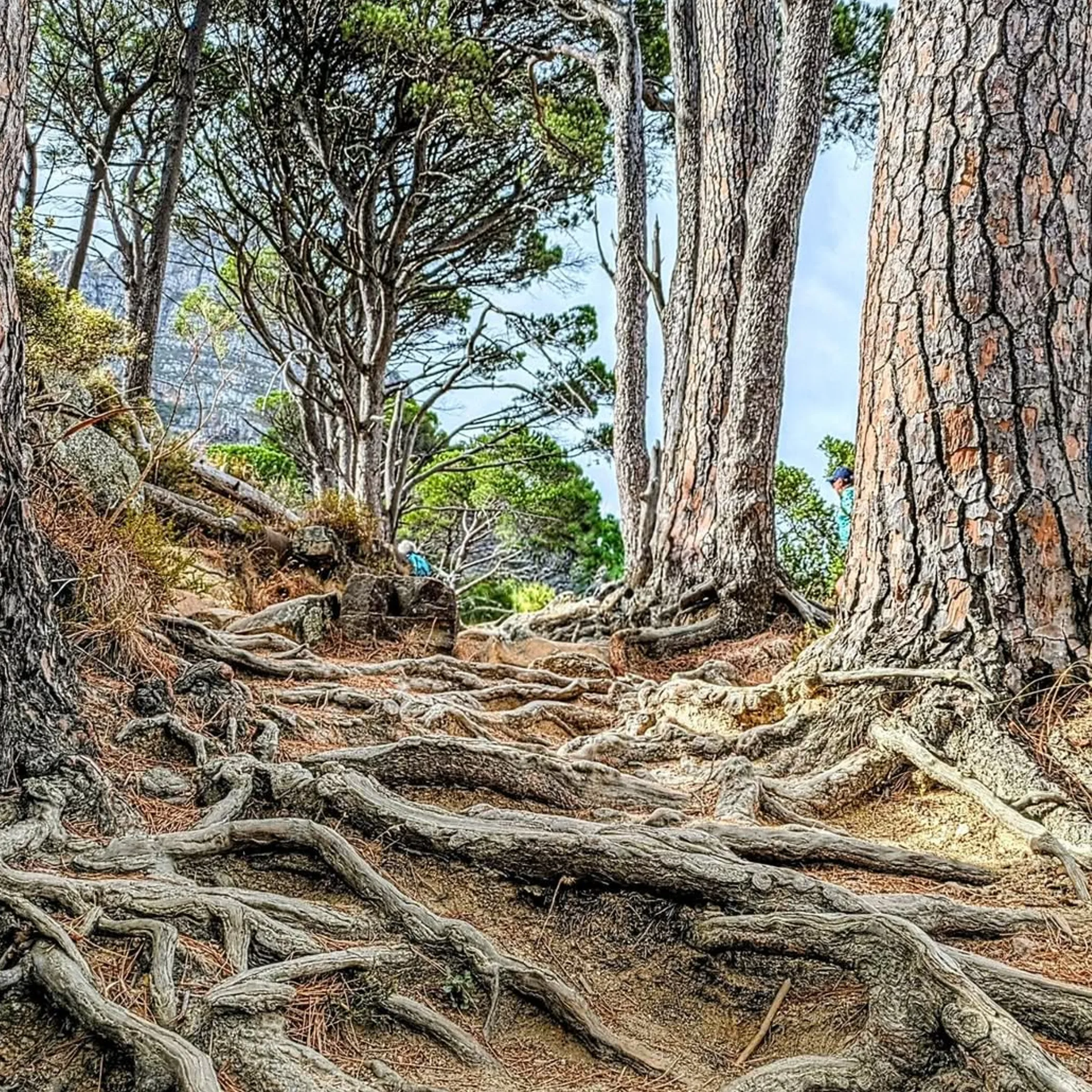
What follows are answers to the usual questions regarding underground services and the invasive roots of Australian trees. But with any given property it is the state and layout of the pipes that should have the final say.
What Trees Should Not Be Planted Near Sewer Lines?
Willow, poplar, large figs, camphor laurel, liquidambar, paper mulberry, running bamboo and the like should be kept from sewer lines, especially if the piping is shallow or of an age. The same goes for large eucalyptus. What is safe will be dictated by the room you have to spare and the condition of your services.
Which Australian Trees Have Invasive Roots?
You will find cause for concern with figs, willow, poplar, camphor laurel and paper mulberry. Certain eucalyptus put out a wide root system as well. Do not take “invasive” to mean the pipe is doomed; more often than not the roots are taking advantage of a crack or a leak already there.
How Far Should Trees Be Planted From Sewer Pipes?
As a rule of thumb allow 3 metres for a small tree, 5 for medium and 10 or more for large specimens. Your water authority or a professional can advise on position as local rules vary.
Can Tree Roots Grow Through Sewer Pipes?
They can make their way in through defects, open joints and damaged connections, but a watertight pipe in good order will hold them back. An inspection with a camera will tell you if the roots are to blame or if some other plumbing fault is being pointed at.
What Trees Are Safe To Plant Near Pipes?
There is no such thing as a risk-free tree next to underground services. You will have less difficulty with a lilly pilly, bottlebrush, crepe myrtle or citrus of the smaller, compact varieties than with something more vigorous. See what the mature dimensions are first.
How Do You Stop Tree Roots From Invading Sewer Pipes?
By not planting them close to services in the first place, making repairs to any leaking pipes and where called for installing root barriers. If there is a blockage call in a licensed plumber to sort it out, do not put your faith in chemical root killers.
Make The Pipe Route Part Of The Plan

To keep tree roots from damaging your pipes, incorporate the underground services into the garden design to start with. Know where the lines are and how the tree will behave at maturity and you will have room to effect repairs later on.
In an Australian suburban garden a small tree or clumping plant and a few shrubs give you the shade and habitat with maintenance to match. It is worth a few minutes over the service route to avoid a blocked dunny, a path in tatters and the plumbing bill to go with it.
Imogen Weatherby